Home Window Tinting: Benefits, Types, and Tips
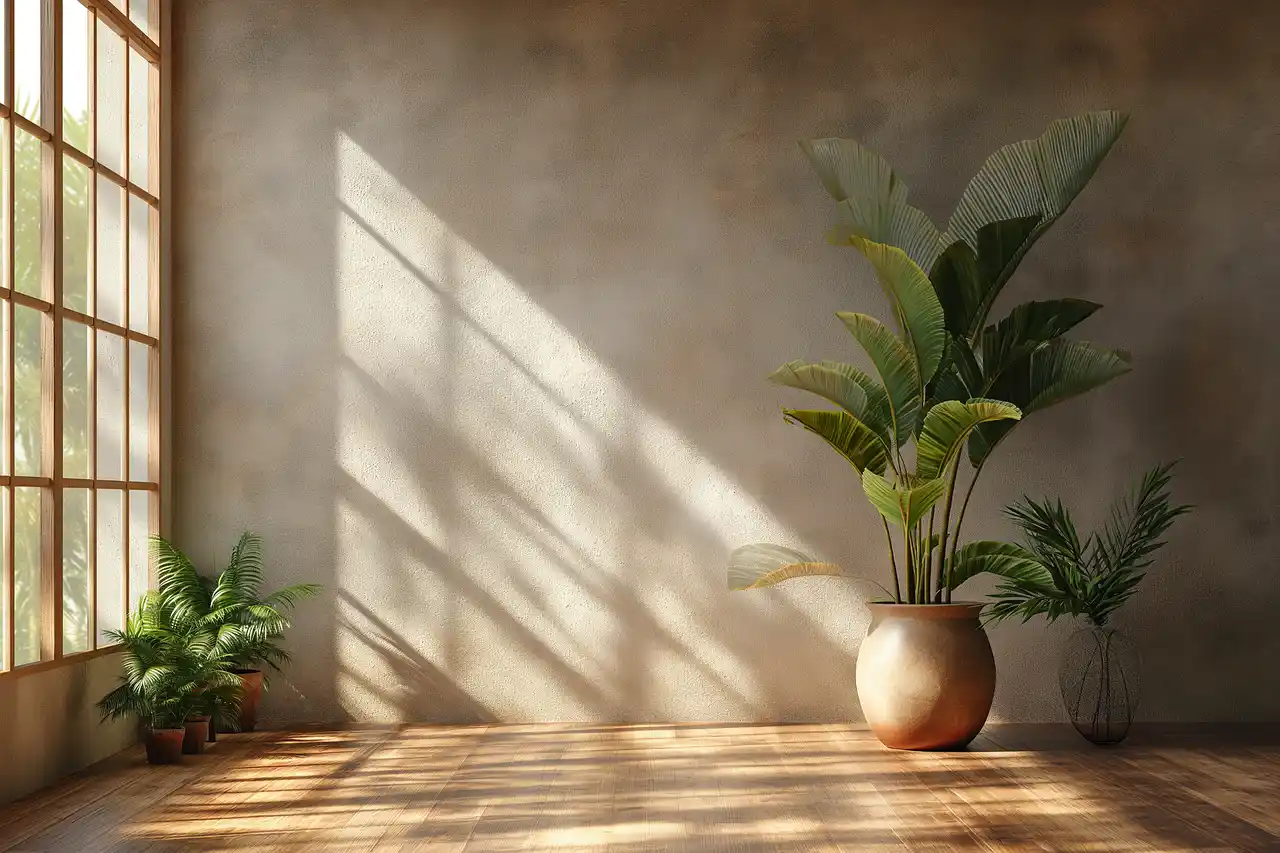
Home window tinting is a practical upgrade for houses seeking better comfort, privacy, and energy efficiency. By reducing heat gain and blocking UV rays, tinted films help protect interiors and lower cooling costs, while preserving natural light and curb appeal. This guide covers how tinting works, film types, selection tips, and how to hire a trustworthy installer in line with EEAT principles.
What is home window tinting?
Window tinting uses a thin film applied to interior or exterior glass. The film changes how sunlight is transmitted, reflecting or absorbing infrared heat and UV radiation while maintaining visible light. A professional job also ensures adhesives and warranties are properly handled.
Benefits of home window tinting
- Energy savings by reducing cooling load in hot climates
- UV protection to prevent fading of furnishings
- Improved comfort with reduced glare and evenly cooled spaces
- Enhanced privacy without sacrificing daylight
- Added safety with shatter resistance in some films
How window tinting works
Different films employ dyes, metal layers, ceramic technology, or hybrids to reject heat and UV. Ceramic and high-quality dyed films offer strong performance with minimal color change and good visibility. Adhesive quality and professional installation determine long-term performance.
Types of window tint films
| Film Type | UV Rejection | Heat Rejection | Glare Reduction | Appearance | Durability | Typical Cost |
|---|---|---|---|---|---|---|
| Dyed | Moderate | Moderate | Good | Varies (dark tint) | Moderate | Lower |
| Metalized | High | High | Excellent | Possible reflections | High | Medium |
| Ceramic | Very High | Excellent | Excellent | Clear, true color | Excellent | Higher |
| Hybrid | High | High | Good | Balanced | Strong | Medium-High |
Choosing a professional installer
Look for experience, proper licensing, and warranties. Confirm that installers follow local regulations for visible light transmission (VLT) in your area and provide a written warranty for film and installation. Ask for before/after photos, references, and shade options that suit your home style.
Maintenance and safety
Cleaning is typically simple with a soft cloth and mild soap. Avoid abrasive cleaners that can scratch the film. For safety, professionally installed films add shatter resistance, but you should still handle glass with standard care. Keep the original window compatibility in mind, as some coatings may affect sensors or alarms.
DIY vs Professional installation
| Aspect | DIY | Professional |
|---|---|---|
| Results | Depends on skill; may void warranties | Consistent, warranty-backed |
| Time | One or two days | Half-day to one day |
| Safety | Minimal handling risk | Special tools; higher safety |
| Cost | Lower material cost; may incur rework | Higher upfront but durable |
Conclusion, home window tinting is a viable upgrade for energy efficiency, comfort, and protection. By understanding film types, selecting a reputable installer, and following maintenance best practices, homeowners can enjoy a well-balanced solution that preserves daylight while reducing heat, glare, and fading.