Repair of Roofing: Essential Guide
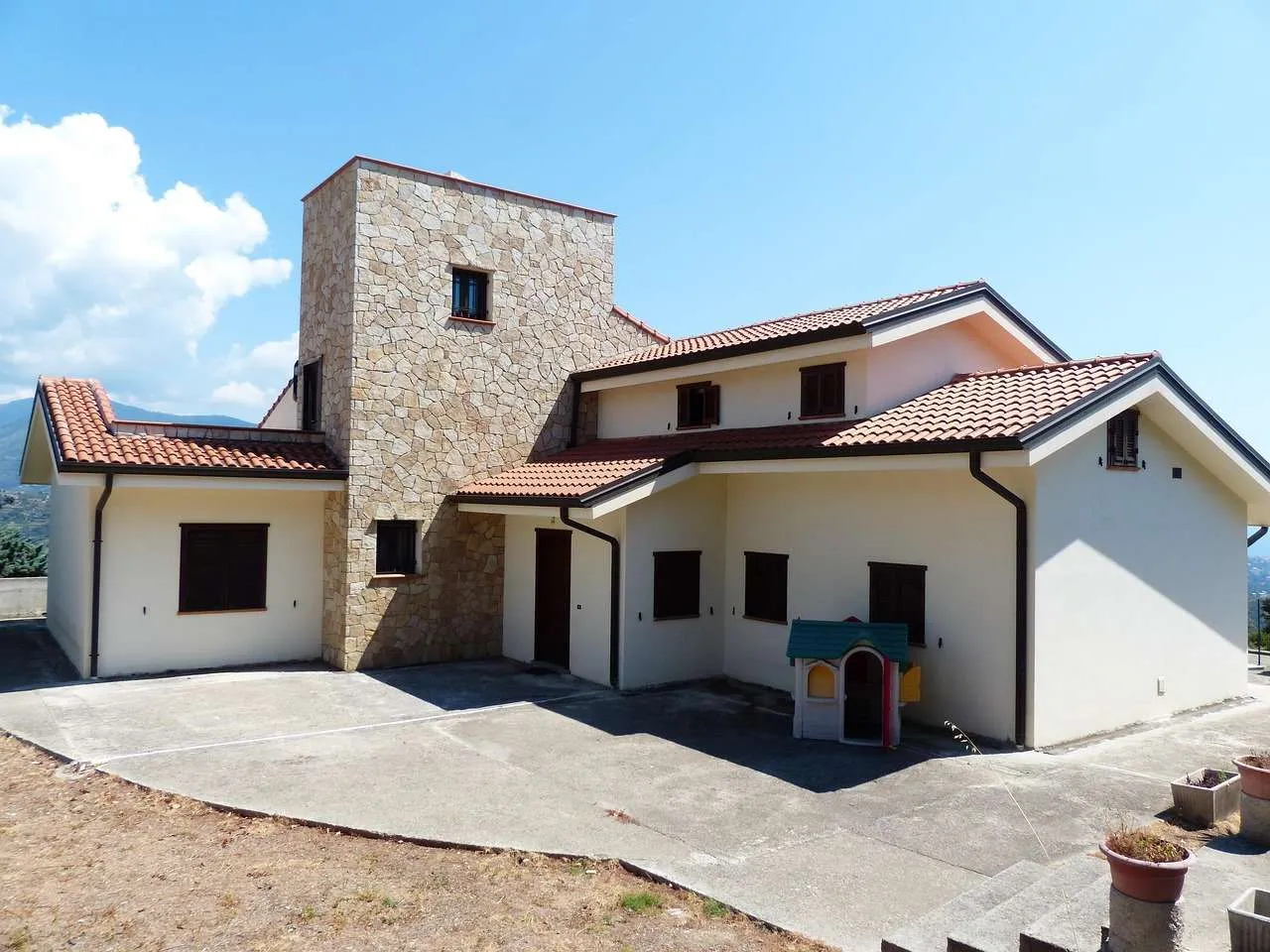
Repair of roofing is a critical homeowner responsibility that protects property and value. This guide provides practical steps to assess damage, distinguish DIY fixes from professional repairs, and hire trusted contractors. By combining safety, technical insight, and reputable processes, you can address leaks, missing shingles, or damaged flashing effectively while maintaining high standards of EEAT—expertise, authoritativeness, and trustworthiness.
Understanding roof damage: causes and signs
Roof damage can result from weather, age, and improper maintenance. Recognizing the early warning signs helps prevent costly repairs and extends the roof’s life.
Common causes
- Severe storms, hail, and high winds
- Wear from seasonal cycles and sun exposure
- Damaged flashing around chimneys and vents
- Blocked gutters causing water backup
- Poor installation or substandard materials
Signs you may need repair
- Visible leaks on ceilings or along interior walls
- Missing, cracked, curling, or loose shingles
- Staining or mold growth on roof decking or ceilings
- Sagging sections or unusual roof sounds during wind
- Ice damming in cold weather and damp attic smells
Safety and decision-making: DIY vs professional
Safety should drive every repair decision. Roof work involves fall hazards, electrical risks around flashing and vents, and potential structural compromise if the underlying decking is damaged. Ladders, harnesses, and proper PPE are essential. If you are unsure about slope, weather, or material integrity, engaging a professional is the prudent choice.
Repair strategies: patching, flashing, and when to replace
Repairs run from minor patches to full deck replacement. The right approach depends on damage extent, age, and warranty considerations.
- Patch leaks with roofing cement or silicone sealant as a temporary measure on small, dry areas.
- Replace individual damaged shingles, ensuring proper alignment and sealing.
- Reflash around chimneys, vents, and edges to restore water-tight joints.
- Investigate and replace damaged underlayment or decking if rot is present.
- For widespread damage or aging roofs, a full or partial replacement may be the most cost-effective long-term solution.
Costs, warranties, and hiring a contractor
Costs vary by roof size, material, climate, and accessibility. Minor patch work can be economical, while major repairs or full replacements require inspection and a formal estimate. Ask about workmanship warranties, manufacturer warranties on materials, and who handles permits. A licensed contractor should provide a written contract with scope, timeline, and cost breakdown.
Maintenance to extend roof life
- Keep gutters clear and ensure downspouts direct water away from the foundation.
- Inspect after storms and perform seasonal inspections for damaged flashing.
- Trim overhanging branches to reduce debris accumulation and impact damage.
- Check attic insulation and ventilation to prevent ice dams and moisture buildup.
- Schedule professional inspections every 3–5 years, or sooner for older roofs.
Comparison: DIY repair vs professional roofing contractor
| Aspect | DIY Repair | Professional Roofing Contractor |
|---|---|---|
| Safety | Lower risk awareness; higher fall risk | Trained, insured, fall protection and PPE provided |
| Quality and durability | Good for small issues if you have experience | Comprehensive assessment; warranties on work |
| Time and disruption | Can be faster for minor fixes | Coordinated work, less disruption with proper scheduling |
| Warranties and records | Typically none or limited | Material and workmanship warranties; proper documentation |
| Cost | Often cheaper upfront for small issues | Higher upfront cost but long-term value and protection |
Conclusion, choosing between DIY repairs and professional roofing services depends on damage scope, safety considerations, and long-term value. Minor leaks and cosmetic shingles may be manageable with informed DIY steps, but significant leaks, structural concerns, or aging roofs warrant professional evaluation to ensure safety, reliability, and a durable repair that stands the test of time. Always prioritize proper assessment, use quality materials, and document warranties to maintain trust and long-term protection for your home.